
Everlasting flowers: their symbolism in literature and art
Summary
In the world of arts, the everlasting flowers have always occupied an important place because of their symbolism. They represent several complex themes such as love, death and Renaissance in various forms of artistic expression, such as classical and contemporary literature, as well as in visual art. This article analyzes how these everlasting flowers have been used to represent these ideas poignantly and deeply.
Romanticism and everlasting roses
In the history of literature, the romantic movement of the 18th century is particularly known for its Use of rose as a metaphor for everlasting love . A powerful metaphor, she embodies passion and beauty, inspiring poets like William Wordsworth or Lord Byron.
THE Romantic writers express the ideal of perfect and everlasting love Through the rose, symbol of purity and devotion. This association continues, influencing contemporary culture where everlasting roses represent timeless love. Beyond their symbolism, the captive roses by their splendor, their intoxicating perfume and their varied colour palette. Thus, they continue to inspire artists and amaze lovers, perpetuating their legend over the centuries.
Love and everlasting flowers in Shakespeare
William Shakespeare, undoubtedly the most famous author of all time, also used Everlasting flowers to signify everlasting love in his works. In "The dream of a summer night", for example, the character of Titania offers his lover Bottom a "hat of everlasting flowers" as a guarantee of his love.
Shakespeare uses the Flower symbolism To underline the strength of romantic feelings and the permanence of affection beyond obstacles. Its skillful use of everlasting flowers evokes the beauty and fragility of human love, while showing its resilience in the face of adversity.
Thus, the everlasting flowers become powerful symbols of timeless love in the work of Shakespeare, capturing the nuances and complexities of the human condition. Similarly, in "Romeo and Juliet", the roses are used to symbolize pure love, but also the tragedy that occurs when this love becomes impossible.

Death and Renaissance expressed through everlasting flowers
In addition to representing Everlasting love , THE everlasting flowers can also symbolize dark and deep themes such as death and Renaissance . This can be seen in several classic and contemporary examples of literature and art, where flowers serve as metaphor for darkness and light, decline and growth, and the end and beginning.
In Greek mythology, for example, the narcissus is associated with death and renewal, because it flowers each spring where the young narcissus is dead, thus symbolizing the resurrection of the mind.
GOOD more that simple decorative elements; They embody a deep and universal symbolism in literature and art. Through the ages, they were the subjects of literary and artistic masterpieces, thus revealing their evocative power and their ability to express complex themes such as love, death and Renaissance.
Dante Alighieri and the Divine Comedy
One of the most famous examples of this Double symbolism is found in "The Divine Comedy" by Dante Alighieri, an epic work of the 14th century which explores the kingdoms of hell, purgatory and paradise. Throughout this spiritual journey, Dante meets everlasting flowers which represent both salvation and damnation, violence and beauty, and life and death. For example, in Purgatory, he sees everlasting white flowers which symbolize repentance and purification, while in hell, he finds red flowers which represent sin and suffering.
Sylvia Plath and the everlasting tulips
In modern poetry, Sylvia Plath also explores the theme of death and Renaissance through everlasting flowers. In her poem "The tulips", she portrays a woman who recovers from a disease while contemplating a bouquet of bright red tulips. For this woman, the tulips represent vital energy and the strength found after a dark period of her life. At the same time, they also recall the inevitable fragility and mortality of all living things.
Everlasting flowers in visual art
THE everlasting flowers are not limited to literature; They are also a major source of inspiration in visual art. The artists have long captured their timeless beauty and their deep symbolism through painting, photography and other forms of artistic expression. An emblematic example of this can be observed in the works of the famous Dutch painter Vincent Van Gogh.
In his impressionist paintings, Van Gogh uses flowers, including sunflowers and iris, to express a range of emotions, ranging from joy and vitality to melancholy and solitude. Its bold brush strokes and vibrant colours capture the liveliness and ephemeral beauty of flowers, while emphasizing their deeper symbolism of transformation and Renaissance.
Through his work, Van Gogh celebrates nature as a powerful and everlasting force, while exploring the universal themes of life, death and transcendence. Thus, the everlasting flowers continue to inspire and fascinate contemporary artists, offering an inexhaustible source of creativity and contemplation.
The role of everlasting flowers in floral art
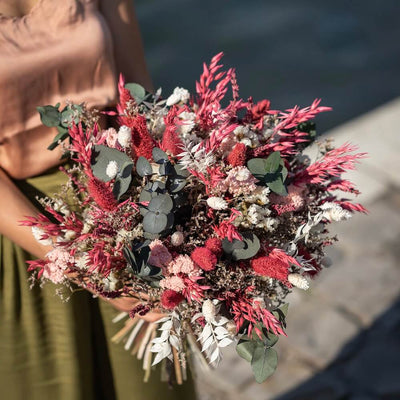
Finally, it is important to define The influence of the symbolism of everlasting flowers In floral art, especially the one that was born in Caen, in France. In this traditional French art, flowers are preserved so that they can be appreciated for their beauty for long periods. Thus, floral art in Caen directly reflects the theme of death and the Renaissance by allowing flowers to survive beyond their natural life.
The cultural meaning of flowers
In all cultures around the world, flowers put on a deep cultural meaning and multifacette. They are not simply decorative elements, but symbols loaded with meaning and tradition. From wedding ceremonies to funeral rituals, flowers have always been present to mark the most important moments in human life.
Beyond their universal symbolism , flowers also cover a specific meaning in each culture. For example, the lotus is venerated in the Buddhist tradition for its purity and beauty, while lilies is a Christian symbol of purity and innocence. In Japanese culture, the cherry trees represent the ephemeral beauty of life, while in Mexican culture, concerns are used during the celebrations of the day of the dead to honor dear deceased beings.

Write a comment